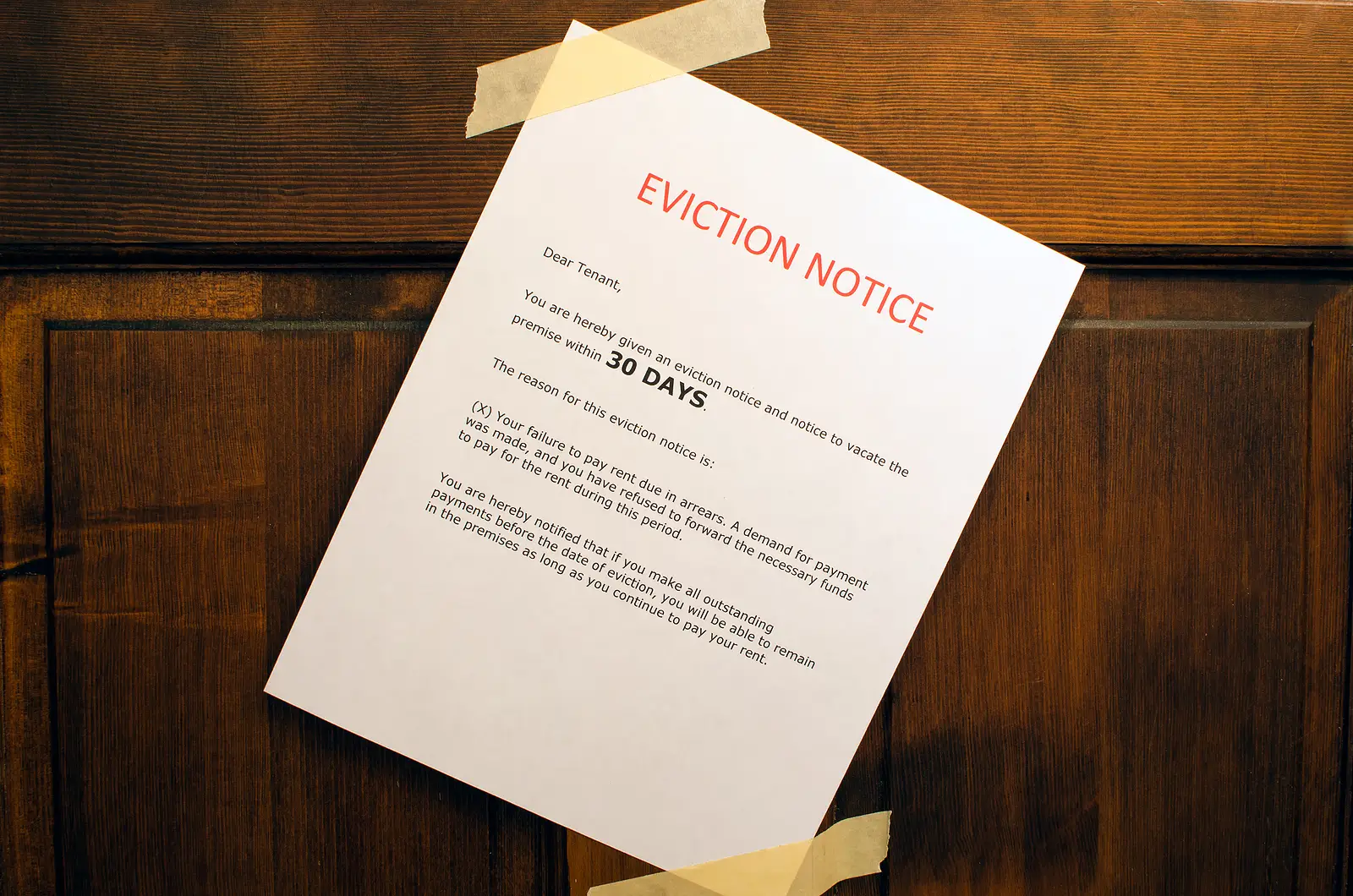
Navigating the eviction process in New York can be hard, especially for landlords operating in Saratoga Springs and the surrounding Capital Region. Strict regulations, detailed notice requirements, and strong tenant protections all influence how and when a tenancy can legally be terminated. Failing to follow the correct procedures can lead to delays, dismissed cases, and unnecessary financial loss.
Evictions are not simply about removing a tenant. They involve a structured legal process that must be followed step by step. From serving proper notice to filing in court and presenting documentation, every stage requires accuracy and consistency. When handled correctly, the process helps protect rental income, maintain compliance, and reduce long-term risk for property owners.
Key Takeaways
The NY eviction process requires valid legal grounds and strict compliance with notice and court procedures.
Proper documentation and consistent communication help reduce delays and strengthen legal cases.
Property condition and maintenance can influence disputes and eviction outcomes.
Structured systems improve efficiency and protect long-term rental performance.
Legal Grounds for Eviction in New York
Evictions in New York must be based on specific legal grounds. Landlords cannot remove tenants without cause, and every case must fall into a recognized category. The most common reasons include non-payment of rent, lease violations, and holdover tenancy, where a tenant remains after the lease expires.
Each category follows its own legal process. Non-payment cases often begin with a formal rent demand notice. Lease violations may require a notice that gives the tenant an opportunity to correct the issue. Holdover cases involve tenants who stay beyond the lease term without renewing or vacating.
Correctly identifying the type of eviction is critical. Filing the wrong type of case or skipping required steps can result in dismissal, forcing landlords to restart the process.
Notice Requirements and Compliance
Serving proper notice is one of the most important steps in the eviction process. New York law requires landlords to provide written notice that clearly outlines the issue and the action required by the tenant.
The type of notice depends on the situation. For non-payment, tenants are typically given a chance to pay before further action is taken. For lease violations, a cure period may apply, allowing the tenant to resolve the issue within a set timeframe.
An incorrect notice or improper delivery can invalidate the case. This often leads to delays and additional costs. Ensuring that notice is properly written and served according to legal requirements is essential for moving the process forward.
Filing an Eviction Case
If the issue is not resolved after notice is served, the next step is filing an eviction case in court. This involves submitting legal documents and following procedures specific to New York housing courts.
Once the case is filed, the tenant must be formally served with court papers. A hearing will then be scheduled where both parties present their case. Judges rely heavily on documentation, so maintaining clear records is critical.
Financial records play an important role during this stage. Payment history, lease agreements, and communication logs help establish the facts of the case. Keeping organized records throughout the tenancy supports accurate reporting and strengthens the case through consistent accounting practices.
Court Process and Outcomes
During the hearing, the court reviews the evidence provided by both the landlord and the tenant. The outcome depends on the strength of the documentation and whether all legal steps were followed correctly.
In some cases, tenants may be given additional time to resolve the issue, especially in non-payment situations. If the court rules in favor of the landlord, a judgment may be issued along with authorization for eviction.
The process does not always end immediately. Additional timelines may apply before enforcement can occur. Being prepared for these delays helps landlords manage expectations and plan accordingly.
Property Condition and Its Impact on Evictions
Property conditions can play a significant role in eviction cases. If tenants raise concerns about maintenance or habitability, it may affect how the court evaluates the situation.
Unresolved maintenance issues can weaken a landlord’s position, especially if they impact the tenant’s ability to live comfortably in the property. Addressing repairs promptly helps reduce disputes and demonstrates that the property is being properly maintained.
Each time a tenant experiences ongoing issues without resolution, it increases the likelihood of conflict. Consistent upkeep helps maintain a positive tenant experience and supports stronger legal standing through dependable maintenance services.
Avoiding Common Eviction Mistakes
Mistakes during the eviction process can be costly and time-consuming.
Some of the most common errors include:
Serving incorrect or incomplete notices
Failing to follow proper delivery methods
Relying on verbal agreements instead of written documentation
Attempting self-help eviction actions, which are not allowed
Inconsistent enforcement of lease terms
Avoiding these issues requires a structured approach. Clear procedures and consistent application of rules help reduce risk and improve outcomes.
Preventing Evictions Through Better Management
While evictions are sometimes necessary, prevention is always more efficient. Strong tenant screening, clear lease agreements, and consistent communication can significantly reduce the likelihood of disputes.
Setting expectations early helps tenants understand their responsibilities. Addressing issues promptly prevents small problems from escalating into larger conflicts. When tenants feel that concerns are handled professionally, they are more likely to comply with lease terms.
Adapting to tenant behavior trends also plays a role in prevention. Changes in how tenants live and work can influence expectations and communication. Staying informed helps landlords adjust their approach and maintain stronger tenant relationships, especially as remote work continues to shape rental preferences.
The Value of a Structured Lease Enforcement Process
A consistent lease enforcement process ensures that all tenants are treated fairly and that rules are applied uniformly. This reduces the risk of disputes and supports compliance with legal requirements.
Having a clear system in place allows landlords to respond quickly and appropriately to violations. It also ensures that documentation is complete and accurate at every stage.
Aligning operations with structured lease enforcement planning helps create a more predictable process and reduces the chances of costly mistakes.
FAQs
1. How long does the eviction process take in New York?
The timeline varies depending on the type of case and court availability, but it can take several weeks or longer.
2. Can a tenant be evicted without notice?
No, a written notice is required before any eviction case can be filed.
3. What happens if a tenant pays after a case is filed?
In some cases, payment may resolve the issue, but this depends on timing and court decisions.
4. Are landlords allowed to remove tenants without court involvement?
No, eviction must go through the legal court process.
5. How can landlords reduce eviction risks?
Clear lease terms, consistent enforcement, and proactive communication help minimize disputes.
Work With Veno Properties to Navigate the NY Eviction Process With Confidence
Managing evictions in New York requires precision, consistency, and a clear process. From notice requirements to court proceedings, every step must be handled correctly to avoid delays and financial setbacks. A structured approach not only protects rental income but also reduces stress and uncertainty for property owners.
Veno Properties provides professional property management services in Saratoga Springs, NY, helping landlords handle tenant issues, lease enforcement, and legal processes with confidence. To ensure your rental operations remain compliant and efficient, contact us today and take the next step toward protecting your investment.